
Meticulous preparation is crucial for Garage Flooring Denver. Evaluate floor issues, clean thoroughly, test moisture levels, choose coating (epoxy or outdoor carpet), select a reputable contractor. Key steps include safe removal of old flooring, high-pressure washing, precise mixing of epoxy, and curing in optimal temperatures. Proper surface prep enhances adhesion, prevents moisture absorption, extends lifespan by up to 50%. Apply two coats of epoxy, allow full cure, maintain with regular cleaning, avoid harsh chemicals. High-quality materials offer durability, resistance to chemicals, heavy loads; touch-ups may be needed over time.
Transforming your garage floor from ordinary to exceptional is within reach with a professional epoxy coating. For homeowners in Denver, garage flooring isn’t just about aesthetics—it’s a crucial investment in protection, durability, and curb appeal. However, achieving a high-quality finish can be challenging without the right guidance. This article serves as your comprehensive step-by-step guide for applying garage floor epoxy, offering expert insights tailored to Denver’s unique conditions, ensuring you get the durable, vibrant results you desire.
- Prepare Garage Floor for Epoxy Application in Denver
- Mix and Prepare Epoxy Coating for Optimal Results
- Apply the First Coat: Step-by-Step Guide
- Sanding and Priming: Creating a Smooth Surface
- Pour and Spread the Second Coat Efficiently
- Curing and Maintaining Your Garage Flooring in Denver
Prepare Garage Floor for Epoxy Application in Denver
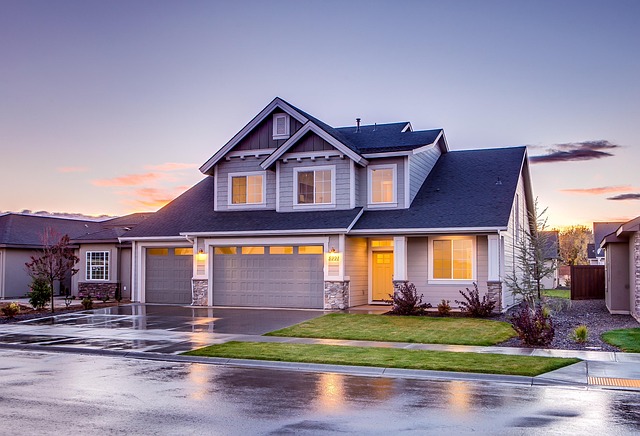
Before applying an epoxy coating to your garage floor in Denver, meticulous preparation is key. Garage flooring Denver undergoes unique challenges due to the region’s climate fluctuations, which can impact both concrete and traditional epoxy installations. To ensure a durable finish, start by evaluating and addressing any issues with the existing floor. This may involve repairing cracks, holes, or peeling paint, as these defects can compromise the bond between the epoxy and the substrate. It’s essential to choose an experienced flooring contractor Denver who understands local conditions and can provide tailored solutions for your garage flooring needs.
The surface must be thoroughly cleaned to eliminate dirt, grease, and other contaminants that could hinder adhesion. Remove any old floor coatings or sealers using professional-grade strippers, ensuring the concrete is exposed and free from debris. Concrete floors in Denver often require additional moisture control due to high humidity levels. Testing the moisture content is crucial; use a moisture meter to ensure it meets industry standards for epoxy application. If necessary, implement proper ventilation or de-humidification techniques to create an optimal environment for the epoxy to cure correctly.
Once the floor is prepared, consider the type of finish you desire—epoxy vs. concrete garage floors Denver offers distinct advantages and aesthetics. Epoxy coatings provide a sleek, low-maintenance surface that can withstand heavy traffic and harsh chemicals, making it ideal for workshops or automotive garages. Outdoor carpet Denver also gains popularity for its soft underfoot feel and weather resistance, enhancing comfort and safety without compromising functionality. A reputable Flooring Contractor Denver will guide you in selecting the perfect finish, ensuring a long-lasting and visually appealing garage floor that caters to your specific needs and preferences.
Mix and Prepare Epoxy Coating for Optimal Results
Preparing the epoxy coating for your garage floor is a crucial step in ensuring optimal results from your Garage Flooring Denver project. This process involves careful mixing and preparation to achieve the perfect consistency for application. When done right, it can transform your old, dull garage floor into a sleek, durable surface that adds value to your home.
Start by recycling your old garage flooring in Denver through proper disposal or repurposing methods. Old concrete floors often harbor harmful chemicals and contaminants, so safe removal is essential. Once the old flooring is gone, prepare the surface by thoroughly cleaning it with a high-pressure washer. This step eliminates dirt, grease, and other debris that could hinder the epoxy’s adhesion. After cleaning, allow the floor to dry completely; this might take several days, depending on environmental conditions.
Next, measure and mix your epoxy coating according to the manufacturer’s instructions. Many modern garage floor epoxy systems come with two components: a resin and a hardener. Mixing them at the correct ratio is critical for achieving the desired properties. For example, a 1:1 ratio of resin to hardener ensures optimal curing times and strength. Using precise measurements ensures a consistent mixture, resulting in a smooth, chip-resistant finish when applied correctly. Once mixed, the epoxy should be used within the specified time frame to ensure best results for your Garage Flooring Denver project.
Proper preparation is key to a successful epoxy coating application, whether you’re Restoring old garage floors in Denver or installing new coatings. By focusing on these initial steps—from safe removal of old flooring to precise mixing—you lay the groundwork for a durable, aesthetically pleasing garage floor that can withstand the test of time and heavy traffic, enhancing the overall value of your property.
Apply the First Coat: Step-by-Step Guide
Applying the first coat of garage floor epoxy is a crucial step in transforming your concrete garage flooring in Denver into a durable, sleek surface. Start by ensuring the concrete is clean, free from debris and oil stains. This can be achieved through thorough cleaning using a pressure washer or a mild detergent solution. Concrete garage flooring contractors Denver often recommend this initial preparation to guarantee optimal adhesion.
Next, consider the ambient conditions. Ideal temperatures for epoxy application typically range between 50-80°F (10-27°C). Lower temperatures can slow down curing, while higher temperatures might cause the epoxy to set too quickly, leading to bubbles or uneven finishes. For the best results in Denver’s climate, plan your installation during milder seasons.
Prior to applying the first coat, use a concrete floor profiler or diamond grinder to slightly roughen the surface. This mechanical abrasion increases the surface area and allows the epoxy to bond more effectively with the concrete. After profiling, thoroughly clean and dry the garage flooring to remove any dust particles that might interfere with the epoxy’s adhesion.
Now, it’s time to mix and apply the first coat of epoxy. Carefully follow the manufacturer’s instructions for mixing ratios and application techniques. Typically, you’ll use a trowel or roller to evenly spread the epoxy across the floor. Maintain a consistent thickness, ensuring no areas are left thin or thickened due to over-mixing. Allow the first coat to cure completely according to the product’s recommended time frame, usually 24-48 hours. This initial layer forms a solid foundation for the second coat, enhancing the overall durability of your Garage Flooring Denver project.
Sanding and Priming: Creating a Smooth Surface
Creating a smooth surface is a crucial step in the epoxy application process, ensuring long-lasting durability and an aesthetically pleasing finish for your garage flooring in Denver. Before pouring on the epoxy, it’s essential to prepare the concrete by sanding and priming. This involves removing any loose debris, smoothing out irregularities, and providing a clean canvas for the epoxy to bond with. Start by sweeping or vacuuming the garage floor thoroughly to eliminate dust, dirt, or grease that could hinder adhesion. Next, use a high-speed angle grinder equipped with a coarse sandpaper (typically 40-60 grit) to mechanically remove any old coatings, oil stains, or concrete imperfections.
Once the surface is clean and roughened, it’s time to level the floor. Concrete is known for its slight unevenness over large areas, so using a floor scarifier or a jackhammer with a chipping attachment can help break up high spots and compact low areas. This process ensures a flat base for your epoxy coating. After leveling, a thorough cleaning with a pressure washer removes any remaining debris and ensures the concrete is dry before proceeding. When preparing garage flooring in Denver or any surrounding area, it’s not uncommon to encounter various challenges like cracks, holes, or peeling paint. Conduct an extensive inspection to identify these issues and address them proactively. Minor repairs, such as filling cracks with a suitable epoxy injection kit or patching holes with a concrete repair compound, are essential steps before priming and coating.
To prime the garage floor, apply a high-quality epoxy primer designed for concrete surfaces. This step fills in any remaining pores and creates a strong bond between the concrete and the topcoat. Use a paint roller or brush to ensure even coverage, following the manufacturer’s instructions for drying times. The primary purpose of this stage is to enhance adhesion and prevent moisture absorption, which can negatively impact the longevity of your epoxy flooring. According to industry data, proper surface preparation can increase the lifespan of garage floor epoxy coatings by up to 50%. By sanding and priming correctly, you’re not just enhancing the aesthetics; you’re also ensuring that your garage flooring options in Denver, whether a resurface or a complete repair, will withstand the test of time.
Pour and Spread the Second Coat Efficiently

Pouring and spreading the second coat of garage floor epoxy is a crucial step in ensuring a seamless, durable finish—a key consideration for those exploring affordable garage flooring options Denver has to offer. This process demands precision and attention to detail to achieve the best results. Begin by allowing the first coat to cure completely; this is essential for a strong bond between coats. Once cured, carefully prepare the surface by lightly sanding any imperfections to create a rough texture that aids in adhesion.
Next, carefully measure and mix the second coat according to the manufacturer’s instructions. Ensure proper agitation to prevent settling. When ready, pour the epoxy onto the floor, starting at one corner and working your way across the surface. Use a smooth, long level to spread the epoxy evenly, maintaining a consistent thickness throughout. For large or irregular garage flooring projects in Denver, consider using specialized tools like a metal squeegee for precise control and an even finish.
The best time to install garage flooring in Denver is during the spring or fall when temperatures are moderate. This ideal climate facilitates faster curing times without the risk of extreme heat or cold interfering with the epoxy’s performance. By following these meticulous steps, you’ll achieve a high-quality, long-lasting epoxy coating, transforming your garage into a sleek and eco-friendly space that stands out among Denver’s diverse affordable garage flooring options.
Curing and Maintaining Your Garage Flooring in Denver

Curing and maintaining your garage flooring in Denver is a crucial step to ensure longevity and aesthetic appeal. After applying the epoxy coating, the floor requires proper curing time to set completely. This process typically takes 24-48 hours, during which you should avoid heavy traffic or activities that may disturb the surface. Temperatures between 60-75°F (15-24°C) are ideal for optimal curing; ensure your garage meets these conditions. Once cured, your Garage Flooring Denver will be robust and ready for daily use.
Regular maintenance is key to preserving your new floor. Sweep or vacuum regularly to remove dust and debris, preventing them from settling into the epoxy. Use a mild detergent and warm water for occasional cleaning, avoiding harsh chemicals that can damage the surface. For commercial garage flooring Denver, consider a more robust cleaning routine due to increased foot traffic. Regular inspections are also vital; look for signs of wear or damage and address issues promptly.
Many cheap garage flooring options in Denver may initially seem attractive, but they often lack durability and come with maintenance challenges. When comparing flooring reviews Denver, opt for high-quality materials that offer long-term solutions. Commercial facilities benefit from considering epoxy coatings due to their strength and resistance to chemicals, oil spills, and heavy loads—essential factors for safe and efficient operations.
Over time, your Garage Flooring Denver may need touch-ups or reapplication of the epoxy layer. Regular maintenance will help extend the life of your floor, ensuring it remains attractive and functional. By following these guidelines, you can enjoy a durable and aesthetically pleasing garage floor that complements your Denver home or business for years to come.
By meticulously following these steps for a garage floor epoxy application in Denver, you can transform your space into a sleek and durable surface. From preparing the floor to curing the final coat, each phase is crucial for achieving optimal results. This comprehensive guide ensures your Garage Flooring Denver project is not just a task but an investment, offering both aesthetic enhancement and functional improvement. With the right tools and attention to detail, you can create a vibrant, long-lasting finish that elevates your garage’s overall appeal.